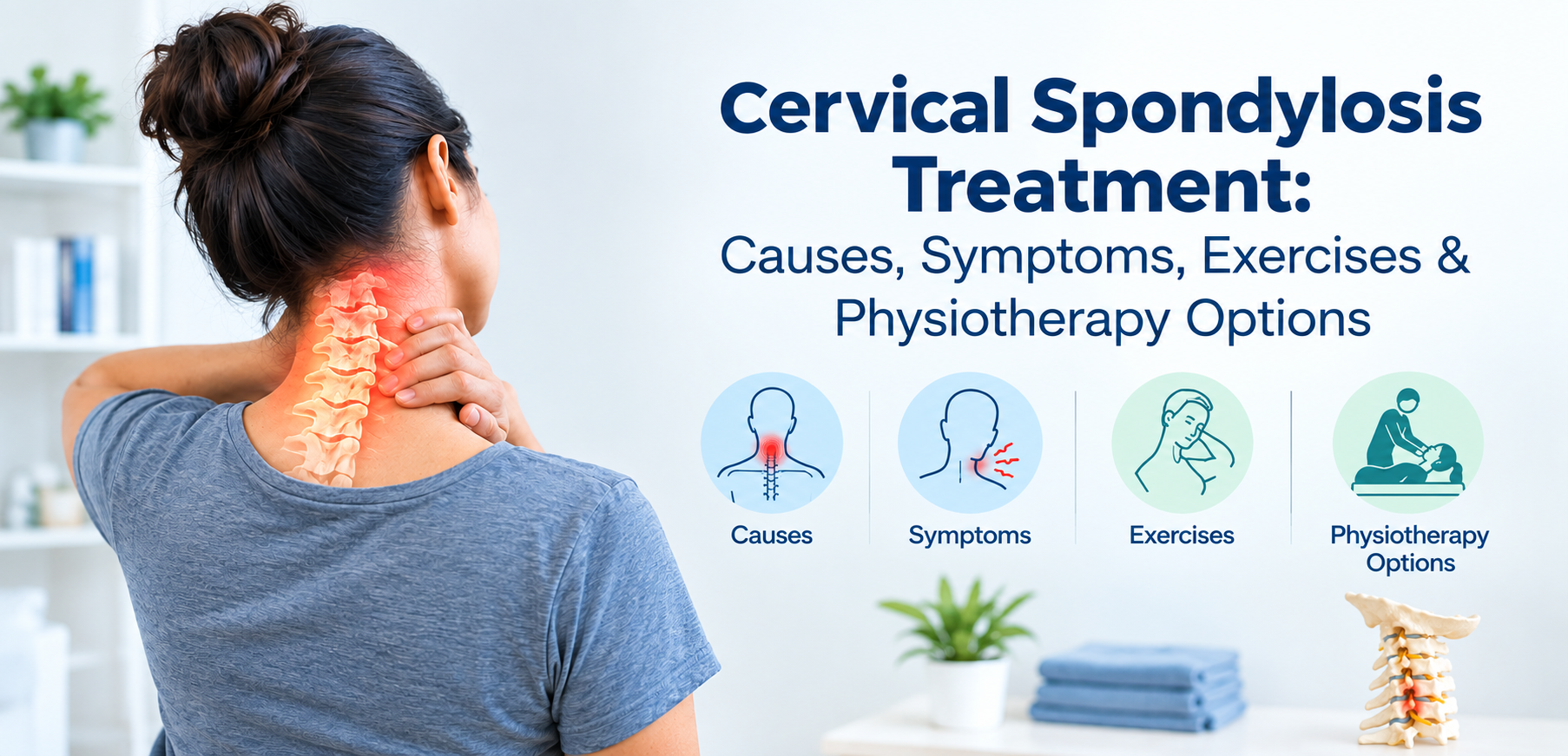
Neck stiffness, recurring pain, headaches, or a tingling feeling in the arms can make daily tasks hard to do. One common cause of these issues is spondylosis. Spondylosis is a condition that happens because of changes in the bones, discs and joints of the neck as a person gets older. Getting treatment for early spondylosis can help control symptoms and keep the neck moving better. At Dr. Rajneesh Kant the goal is to find out what is really causing the pain of just dealing with it for a short time. People look for care when they have problems like knee pain Physiotherapy in India and cervical spine problems also need a personal plan based on symptoms, lifestyle and how the body is doing.
What Is Cervical Spondylosis?
Cervical spondylosis is a condition that gets worse over time and affects the neck area of the spine. The neck area of the spine is where this condition has an effect. As time goes on the discs in the spine can become less flexible and thinner. The discs in the spine are the cushions between the bones. The bones and joints around them can also change, leading to stiffness or extra growths called bone spurs. The bones and joints around the discs are the ones that change.
It is normal to see these changes when you grow older. However bad posture, spending too much time in front of a screen, old neck injuries and repeated motions can make you feel uncomfortable even when you are young. Dr. Rajneesh Kant says that finding out what causes neck pain is a step in making a good treatment plan. Common Cervical Spondylosis Symptoms The symptoms can change a lot from one person to another. Some people may feel a little stiffness while others have pain that stays or nerve problems.
Common cervical spondylosis symptoms include:
- Neck pain and stiffness
- Reduced range of neck movement
- Shoulder or upper-back discomfort
- Headaches originating around the neck
- Pain travelling into the arm
- Tingling or numbness in the hands or fingers
- Muscle weakness in more advanced cases
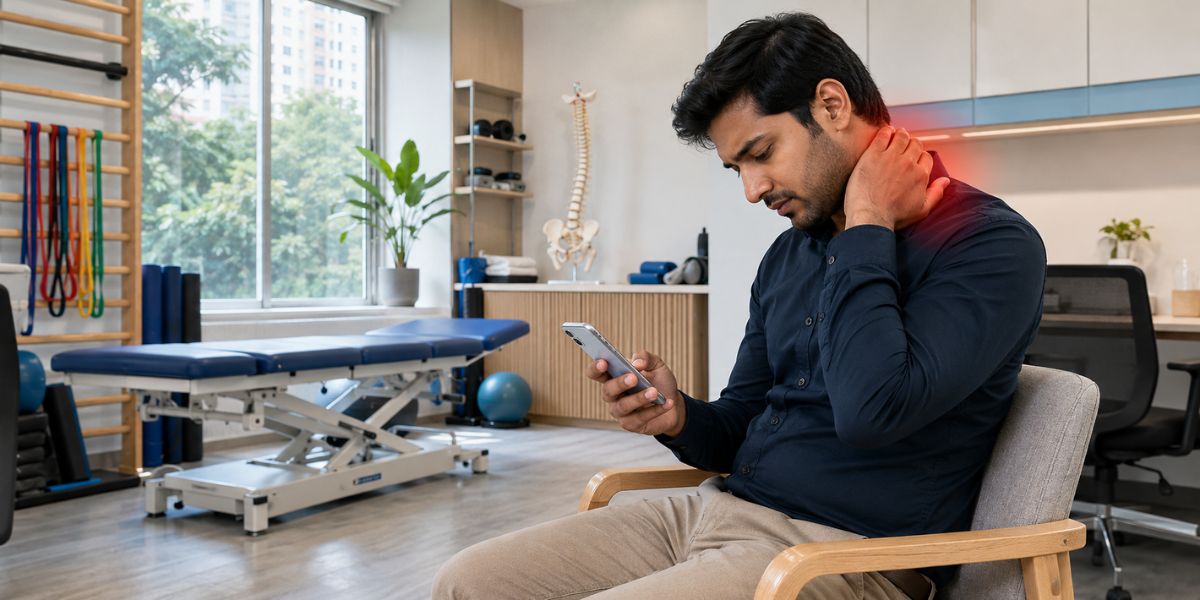
Symptoms may become more noticeable after sitting for long periods, working at a computer, using a mobile phone, or maintaining a poor sleeping position.
What Causes Cervical Spondylosis?
Age-related wear and tear is one of the primary causes, but it is not the only factor. Everyday habits can also influence neck health.
Some common contributing factors include:
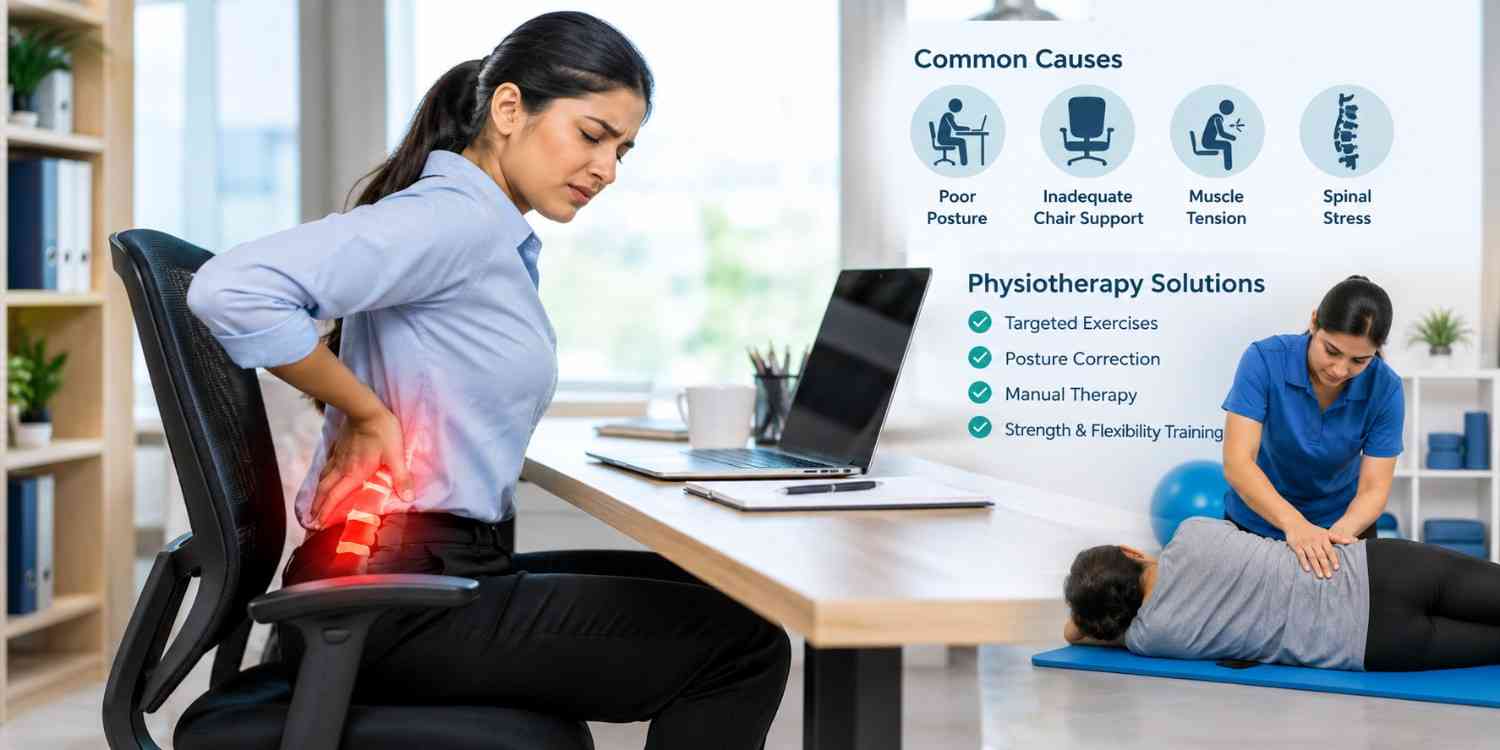
- Poor sitting or standing posture
- Long hours spent looking down at screens
- Previous neck injuries
- Repetitive neck movements
- Weak neck and upper-back muscles
- Lack of physical activity
- Natural ageing of spinal discs
At Dr. Rajneesh Kant, treatment planning takes these individual factors into consideration instead of applying the same approach to every patient.
Cervical Spondylosis Physiotherapy: How Can It Help?
Cervical spondylosis physiotherapy can play an important role in improving mobility, reducing stiffness, and strengthening the muscles that support the cervical spine.
Depending on the individual's condition, physiotherapy may include:
- Gentle mobility exercises
- Neck and upper-back strengthening
- Postural correction
- Soft-tissue techniques
- Stretching exercises
- Ergonomic guidance
- Movement and activity modification
The rehabilitation programme is not to cut pain for a few days. The rehabilitation programme is made to make movements to build strength and to help patients handle their condition with more confidence. Dr. Rajneesh Kant looks at each patient. Designs a personalised rehabilitation programme that matches the patient’s symptoms, the results of a physical assessment and the patient’s functional needs.
Also Read: Chiropractor in India: How Chiropractic Treatment Helps Chronic Pain and Improves Mobility
Cervical Spondylosis Exercises You Can Consider
I have found that moving the neck in a way can help make stiffness less strong but the right exercises must match your own condition. For people with spondylosis I often suggest neck rotations, chin tucks, squeezing the shoulder blades together and slow neck stretches.
The key part is to do these movements slowly and never push the neck harder than it can handle. If an exercise brings pain, more numbness, dizziness or a lot of discomfort you should stop right away.
If you sit at a desk for hours, adding these exercises to short movement breaks and setting up a better workstation can make a big difference.
Is Cervical Spondylosis Treatment Without Surgery Possible?
In situations symptoms can be handled without major steps, based on how bad they are and what is causing them. Treating spondylosis without surgery can include things like physical therapy, specific exercises, fixing posture, making changes in daily habits and other methods that do not involve surgery. These options are suggested after a check-up.
Surgery is usually looked at when the usual ways do not work well enough or when there are serious issues, with nerves or the spinal cord that need help from a specialist.
Dr. Rajneesh Kant can help determine whether a conservative rehabilitation approach is appropriate based on the individual's presentation.
When Should You See a Specialist?
Occasional neck stiffness can get better with rest. Moving in the right way but if the symptoms keep happening or get worse it is important to pay attention. Go to a doctor for help if neck pain lasts for weeks comes back often or is linked with feeling numb, weak, having trouble staying balanced or pain that goes into the arms.
Symptoms related to the neck can sometimes look like symptoms from problems. For example headaches can come from reasons, which is why it is important to get the right check-up when looking for solutions like Migraine Headache Treatment in Mumbai.
I think early professional guidance can help find the source of symptoms and stop delays in treatment. Dr. Rajneesh Kant uses a condition-focused approach, a condition-focused approach that helps patients understand their symptoms and work toward mobility and everyday function.
Take the Right Approach to Neck Health
Cervical spondylosis does not have to mean neck pain or stiffness. With the assessment of appropriate physiotherapy, regular movement, posture awareness and a personalised rehabilitation plan many people can manage cervical spondylosis symptoms and keep an active lifestyle.
The important step is to avoid self‑treating persistent symptoms without understanding their cause. Dr. Rajneesh Kant can guide patients towards a treatment and rehabilitation strategy based on their individual needs. If neck pain, stiffness or nerve‑related symptoms are affecting life, getting an early assessment can be a positive step towards better spinal health.