
Sitting for long hours at a desk, driving, or working from home can leave your lower back feeling stiff and uncomfortable. Lower Back Pain After Sitting is a common concern among people who spend much of their day in one position. Although it may improve with movement, recurring pain should not be ignored. Understanding the possible causes and making simple changes to your daily routine can help.
Dr. Rajneesh Kant focuses on the importance of suitable assessment and individualised care. If you are exploring Back Pain Physiotherapy in Mumbai, learning about the causes, exercises, and treatment options can help you make informed decisions about managing back discomfort.
Why Does Your Lower Back Hurt After Sitting for Long Hours?
Your lower back supports your upper body and helps you bend, stand, and move. Remaining in one position for an extended period may increase discomfort, particularly if you already have back problems or limited physical activity.
According to Dr. Rajneesh Kant, common reasons include muscle fatigue, reduced movement, prolonged sitting in an uncomfortable position, and existing spinal conditions. The discomfort may feel like a dull ache, tightness, or back muscle stiffness after sitting.
Pain does not always mean that your spine has been damaged. However, frequent or persistent symptoms deserve attention.
What Causes Lower Back Pain From Sitting Too Long?
Several factors can contribute to back discomfort during or after prolonged sitting.
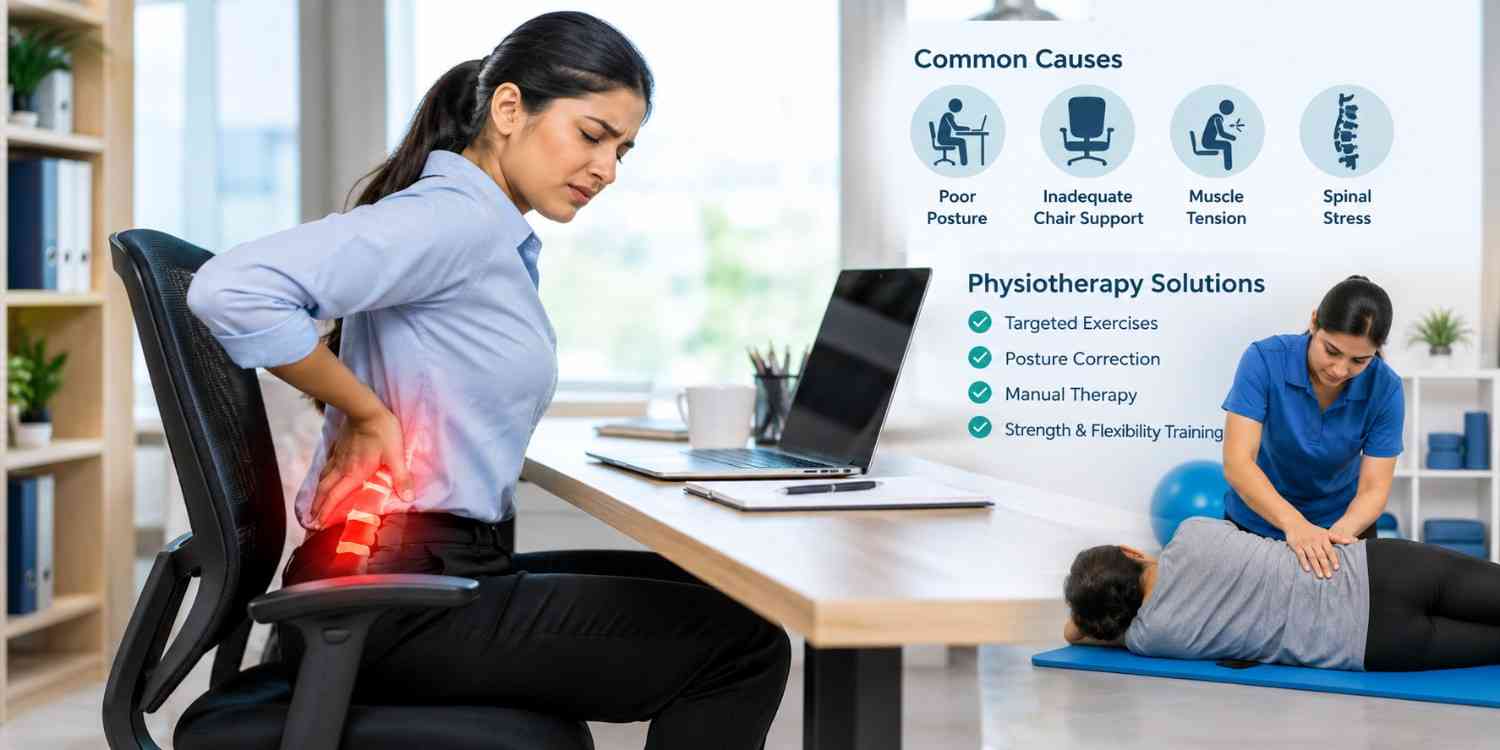
- Poor sitting posture and back pain: Slouching or sitting without adequate support may increase discomfort for some people.
- Reduced movement: Staying in the same position for hours can make the back and surrounding muscles feel stiff.
- Muscle weakness: Limited physical activity may reduce the strength and endurance needed for everyday movements.
- Existing conditions: Problems such as a herniated disc or age-related spinal changes can also contribute to lower back pain.
These lower back pain causes can vary from person to person. A proper assessment is helpful when the discomfort keeps returning or affects daily activities.
How Prolonged Sitting Affects Your Lower Back
Prolonged sitting and back pain are often associated because the body remains in a sustained position with limited movement. Depending on your posture, chair support, and physical condition, this may increase muscular fatigue or aggravate existing discomfort.
Sitting itself is not necessarily harmful, and there is no single perfect posture that everyone must maintain throughout the day. Dr. Rajneesh Kant highlights the importance of changing positions regularly, standing up, and walking briefly to help reduce stiffness and make prolonged desk work more manageable.
Exercises for Lower Back Pain and Muscle Stiffness
Gentle movement may help improve flexibility and reduce discomfort for some people. The most suitable activities depend on the cause and severity of the pain.
Consider these options if they feel comfortable:
- Walking: Start with short, gentle walks and increase the duration gradually.
- Pelvic tilts: Gently move your pelvis while lying on your back to practise controlled lower-back movement.
- Knee-to-chest stretches: Bring one knee towards your chest gently, provided the movement does not worsen your symptoms.
- Core-strengthening exercises: Suitable exercises can improve the strength and endurance of muscles that support everyday movement.
These exercises for lower back pain should not cause sharp or increasing pain. Stop if symptoms worsen, and seek professional guidance before continuing. Exercise selection should be tailored to your needs rather than based on a one-size-fits-all routine.
Physiotherapy for Lower Back Pain: Treatment and Benefits
Physiotherapy for lower back pain can help identify movement difficulties and develop a plan suited to your symptoms, physical abilities, and daily routine.
According to Dr. Rajneesh Kant, a physiotherapy assessment may include reviewing your medical history, evaluating your movement and strength, and identifying activities that worsen your discomfort. The treatment process may involve guided exercises, mobility training, education, and suggestions on how to gradually return to your normal activities.
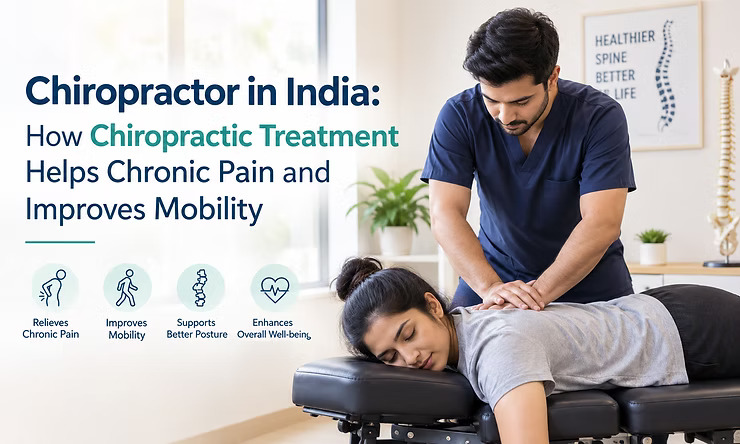
In case you are planning on going to see a Chiropractor in Mumbai , then you should talk to an expert about your symptoms and the treatment options. In the end, it all depends on your assessment and your preferences.
The goal of care is to improve function, support recovery, and help you manage daily activities more comfortably. Results can vary depending on the underlying cause.
Daily Habits to Prevent Back Pain From Prolonged Sitting
Small changes to your work routine may help reduce the strain associated with sitting for extended periods.
- Adjust your chair so your feet are supported and your lower back feels comfortable.
- Keep your screen at a suitable height to avoid leaning forward.
- Change positions regularly and take brief movement breaks.
- Include walking and other suitable physical activities in your routine.
- Avoid remaining in one position simply to maintain a supposedly perfect posture.
These habits can support lower back pain relief, although they may not resolve every underlying condition.
When to Seek Medical Help for Lower Back Pain
Consult a healthcare professional if your pain persists, repeatedly returns, worsens, or interferes with sleep, walking, or daily activities. Pain that travels down a leg, tingling, or numbness may also require assessment.
Seek urgent medical attention if back pain occurs with new difficulty controlling your bladder or bowel, numbness around the groin or saddle area, or progressive leg weakness. These symptoms may indicate a serious problem that requires prompt evaluation.
Frequently Asked Questions About Lower Back Pain After Sitting
Can sitting for long hours cause lower back pain?
Yes. Prolonged sitting may contribute to discomfort or aggravate existing back problems, particularly when movement is limited.
How often should you take breaks from sitting?
Try changing positions regularly and taking brief movement breaks throughout the day. Adjust the frequency to your comfort and work requirements.
Which exercises may help lower back stiffness?
Gentle walking, suitable mobility exercises, and individually selected strengthening activities may help. Stop any exercise that increases pain.
When is physiotherapy recommended for lower back pain?
Physiotherapy may be helpful when discomfort affects movement, keeps returning, or makes daily tasks difficult. An assessment can help determine an appropriate plan.
Get Professional Guidance for Lower Back Pain
Managing recurring back pain starts with understanding its possible causes and choosing the right approach to care. Dr. Rajneesh Kant emphasises the importance of considering individual needs when managing back discomfort. If prolonged sitting is affecting your comfort or daily activities, seek professional guidance to explore suitable treatment options.
Contact us today to learn more about available care and take an informed step towards better back health.